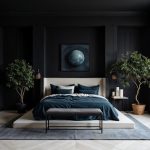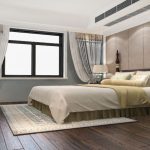


The concept of homes has come a long way over the years, due to evolving lifestyles, technological developments, and cultures. Modern house design has gone beyond mere simplicity and clean lines to reflect a more holistic approach that integrates function, sustainability, and individuality. Through this architecture, architects create modern living spaces by combining innovative and functional design while considering their surroundings and cultures.
The Shift from Traditional to Modern Living
Indoors were always planned according to the local weather conditions, family composition, and culture. Although all these considerations remain relevant in Modern architecture, the way architects perceive them has changed. Open designs, ample light, and versatile rooms have taken over the fixed room divisions.
Modern architects emphasize:
- Creating multi-functional spaces that adapt to changing needs
- Enhancing indoor-outdoor connections through balconies, courtyards, and terraces
- Using materials that are both durable and visually appealing
The trend towards designing more functional interiors is gaining popularity among homeowners.
Functionality at the Core of Design
One of the most distinctive features of modern houses is functionality. Modern architects design multifunctional rooms, making sure to keep their comfort intact.
In other words, a room where one relaxes can also be used as an office, whereas a place for meals can become a garden on a patio. Functional furniture and walls can be used as places to store items, thus keeping them from occupying any extra space.
The important points to take into account are:
- Optimal use of space, especially in city apartments
- Functional storage options for keeping the space tidy
- Ergonomic layouts of interior spaces
This will ensure that every inch of space is being put to good use, especially in urban areas where space is a precious commodity.
Climate-Responsive Architecture
The varying climate of India has influenced residential architecture to a large extent. There has been a rise in the use of climate-based methods by architects for increasing comfort as well as minimizing energy usage.
A few examples are as follows:
- House orientation for increased natural lighting and ventilation
- Shading systems such as louvers and pergolas
- Choosing material for reduced heat gain
Apart from making our living environment comfortable, these aspects have a significant impact on creating sustainable architecture.
Blending Technology with Design
The development of technology is one of the essential trends in contemporary life. As a result, today, people desire their houses to be technologically equipped to simplify everyday tasks.
Nowadays, architects work with engineers who specialize in technology to incorporate:
- Housing automation systems responsible for lighting, temperature, and security
- Efficient energy consumption devices and lighting
- Layouts designed for the incorporation of new technologies in the future
This approach helps to make houses adaptable and functional while providing clear and smooth designs.
Material Innovation and Aesthetic Choices
The selection of materials is an important aspect when designing the architecture of buildings. Currently, architects utilize natural materials along with contemporary finishes to create their own signature design.
The common materials that are used include:
- Natural materials such as wood and stone for a warm finish
- Glass and steel for a contemporary look
- Eco-friendly woods and concrete
The key focus here is on maintaining a balance between durability, sustainability, and aesthetics.
Personalization in Modern Homes
While previous trends entailed the use of standard designs for homes, the modern-day homeowner wants something different. The architect collaborates with the client to get a clear idea about their lifestyle and future requirements.
As a result, there is:
- Interior design that is uniquely tailored to suit personal tastes
- Interior designs that can change with time
- Design features like unique wall designs, skylights, and interior gardens
Amidst all these emerging styles of house design, one aspect remains true about modern house design: a design style that maintains its own architectural style but emphasizes individuality.
Sustainability as a Design Priority
Sustainability is not a choice anymore; it is a requirement. Architects have been integrating sustainability in home designs through various approaches.
Some of the popular design features include:
- Systems for harvesting rainwater
- Solar panels for generating electricity
- Windows and insulation for reducing energy consumption
Such design features not only make the home environmentally friendly but also keep maintenance costs low.
The Role of Outdoor Spaces
In recent times, architects have started giving attention to outdoor spaces. Whether you live in an apartment with limited space or a standalone house, it is crucial to design a space for outdoor activities.
For instance, architects are focusing on:
- Gardening terraces for apartments
- Courtyards for improving air circulation and lighting conditions
- Seating spaces for entertaining guests
Such focus on the outdoors indicates the increasing understanding of the significance of mental and physical well-being.
Urban Challenges and Smart Solutions
Building homes in highly populated urban areas such as Mumbai requires architects to face several problems. Small area, expensive property, and certain limitations necessitate innovative approaches to solving the problem.
The architects deal with such problems in the following ways:
- By optimizing spaces to make them look spacious and bigger
- Using vertical lines and other elements to emphasize the height of the home
- Including modular furniture in the interior design of the house
These measures enable one to make sure that even a small home will provide comfort and practicality.
Rethinking Modern Living Spaces
With the continuous change in lifestyle, the concept of modern house design is constantly evolving. It goes beyond mere aesthetics and involves designing a space that adds value to your quality of life. Every single aspect is carefully thought out to ensure that it caters to the demands of modern living.
Designing Homes That Reflect the Future
It is important for residential architecture in India in the coming years to adopt an innovative strategy to ensure that there is a blend of creativity and functionality. Currently, individuals are in search of houses that provide efficiency, sustainability, and customized options according to their preferences.
Under such circumstances, working with professionals in the sector can turn out to be highly advantageous. Firms like Rennovate offer a variety of services, including home renovations, interior design services, luxury home designs, sustainable architecture, and residential architecture in India, ensuring that every project aligns with modern expectations while maintaining a strong design foundation.