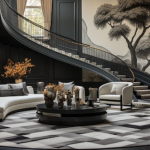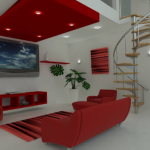


Designing a home or a workplace in Mumbai is different from doing so in any other place in the country. Planning the interiors is influenced by limited space, a lifestyle full of activities, the existence of different kinds of buildings, and the weather along the coast. The core of interior design in Mumbai is the skill of combining style with daily functionality; thus, every square foot is utilised, but the space does not feel packed or messy.
Great interior design starts here with a thorough understanding of how people live, move, and interact with their surroundings. Regardless of whether it is a small apartment in Andheri or a business office in Lower Parel, the aim is always the same: to make spaces that are comfortable, efficient, and timeless.
From Idea to Direction: The Concept Stage
The point of start for clarity is the interior of the project. This step concentrates on the definition of necessities, likes, and limitations before even thinking about making any visual decisions. Designers usually look at lifestyle habits, storage needs, lighting needs, and budget limitations.
This stage often includes:
- Space planning to understand layout possibilities
- Mood boards to align on colour palettes and material styles
- Functional zoning for living, working, or relaxing
If the concept is strong, it will be able to spare a person from changing his mind unnecessarily and make sure that the design feels like a whole from the very beginning.
Translating Vision into Design
After the concept is established, it is followed by in-depth planning. This is the place where the artist’s originality is blended with the work of the engineer. Designs are sharpened, choices of the final layer of the product are made, and the practical side of the matter is taken care of. Interior design in Mumbai, at this point, however, should be adaptable to local situations like building norms, air quality problems, and noise control.
Design development usually covers:
- Furniture planning and circulation flow
- Electrical and lighting layouts
- Material selection suited to Mumbai’s humidity
This phase ensures the design is not only visually appealing but also durable and easy to maintain.
Execution: Where Planning Meets Precision
Execution is frequently the hardest part of the story. The work of these different teamscarpenters, electricians, painters, and installersis the visible face of the design implementation. Here, timelines, coordination, and quality checks are of the utmost importance.
Key aspects during execution include:
- Clear drawings and specifications for contractors
- Regular site visits to track progress
- Quality control at each milestone
Most interior design projects fail to impress once the execution part comes to the fore, but Rennovate’s consistent attention to detail at this stage is what separates a good interior from a great one.
Styling and the Finishing Touches
After the big jobs have been done, styling brings the inner personality out of the space. Soft furnishings, artwork, lighting fixtures, and decor elements are interior master tricks to change an empty-looking room into a fully functioning one. This point in the project is a great way to release personal creativity, even if the whole project has been planned well.
A Thoughtful Way to Complete the Journey
The very essence of a successful interior does not lose its appeal even after years of being apart. Function, climate, appropriate materials, and realistic planning are the ways to get that balance right if one considers interior design in Mumbai. Based on the experience, Rennovate usually emphasizes the need for clear communication, practical detailing, and thoughtful execution as the keys that facilitate spaces’ natural evolution with their users.
When combined with other factors such as home interior design Mumbai, modern apartment interiors, modular kitchen design Mumbai, and residential interior designers in Mumbai, the outcome is not only a space that is deeply personal but also lasts in time.