

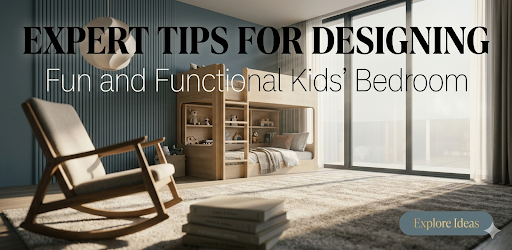
Creating a child’s bedroom is not just about choosing a color and furniture that will bring vibrancy to the room. It’s about designing a space that will provide support and opportunities for learning, resting, and being creative all at once. With proper planning and execution, you can achieve the perfect blend of fun and functionality. In this article, we will provide you with some kids’ bedroom design ideas that will help you design a space your child will enjoy for years to come.
1. Start with a Flexible Layout
As children develop, so do their needs. Instead of designing a space based on a child’s current age, you should consider designing a space with a flexible layout. This will allow you to rearrange the space and furniture as the child grows.
The main space should be free for playing, and larger furniture pieces, such as beds and wardrobes, should be placed along the walls.
2. Choose Multi-Functional Furniture
One of the smartest ways of making the most of the space available is investing in furniture that performs multiple functions. This is particularly important when designing a home in the city, as space is at a premium.
Some of the furniture you might consider includes:
- • Beds with storage drawers
- • Study tables with shelving units
- • Foldable furniture
- • Bunk beds for shared rooms
This option ensures a clean environment while at the same time providing convenience.
3. Focus on Smart Storage Solutions
The children’s room has a way of getting messy, especially if there is a large number of toys, books, clothes, and art materials. The smart storage solution is a way of organizing all these items, thus ensuring the space remains clean.
Some of the smart storage solutions include:
- • Open shelves for frequently used items
- • Storage baskets for toys
- • Wall-mounted units to save floor space
- • Labelled boxes to encourage organizational habits
Having a clean space has a way of uplifting the mood. The smart storage solution will ensure the children learn the importance of keeping the space clean.
4. Use Colors Strategically
The colors used in the children’s room have a way of influencing their moods and creativity. Although colors add some fun to the children’s room, too many of the brighter colors can result in confusion and anxiety.
A good balance of colors is needed:
- • Neutral colors as the main color scheme
- • Accessories to add splashes of color
- • Calming colors to promote sleep
- • Themed colors to add the child’s personality
This strategy ensures that the room is colorful and appealing without causing anxiety to the child.
5. Create Dedicated Zones
The design of a children’s room involves ensuring that some zones allow for different activities. The children’s room is divided into different zones to ensure there is order and functionality.
Important zones to design:
- • Sleeping area
- • Study area
- • Play area
- • Reading area
This design strategy encourages children to understand that different areas of the room have different uses. The division of the room into zones ensures that the child is disciplined and can focus on their activities without distraction.
6. Prioritize Safety at Every Step
When designing a children’s room, it is important to prioritize safety. Every design element must be carefully considered to ensure that it is safe for the child.
Important factors to prioritize:
- • Rounded edges
- • Non-toxic paints and finishes
- • Secure wall-mounted units
- • Slip-resistant flooring
- • Covered electrical outlets
A safe environment ensures peace of mind for parents while allowing kids to explore freely.
7. Let Their Personality Shine
Your child’s bedroom should be a reflection of their personality and interests. Whether your child loves the stars, animals, sports, or art, you should include these in their bedroom.
You should:
- • Use theme-based wallpapers or decals
- • Use customized beddings
- • Show off their artwork
- • Use personalized name boards
This not only makes the bedrooms unique but also encourages your child’s sense of ownership.
8. Invest in Good Lighting
Lighting is often overlooked in designing a child’s bedroom, but it is a vital aspect in making the room functional. A combination of natural and artificial light works best.
You should:
- • Ambient lighting for general lighting
- • Task lighting in the study area
- • Soft night lights in the bedrooms
- • Accent lighting in the bedrooms
This ensures that the child’s bedrooms are not only functional but also comfortable.
9. Keep It Easy to Maintain
Children’s bedrooms should be designed in a way that makes them easy to maintain.
You should:
- • Use washable paints on the walls
- • Use durable materials
- • Use scratch-resistant materials
- • Use easy-to-clean flooring
This ensures that your child’s bedrooms are easy to maintain and always look new and clean.
10. Blend Function with Creativity
The best kids’ bedroom design ideas are those that incorporate creativity with functionality. Instead of filling the space with too many design elements, you can incorporate meaningful design elements.
For example, a chalkboard wall can be both a design element and a creative outlet. In the same way, a window seat can be a reading nook with storage space at the bottom. These creative design choices can enhance the functionality of the space.
Designing Spaces That Grow With Your Child
Designing a kids’ bedroom space helps ensure that the space adapts and changes along with your child while fostering creativity, functionality, and safety at the same time.
It is at this point that professional planning can take center stage and play a vital role in contributing to the functionality of the space. The proper execution of kids’ bedroom design ideas, along with the latest trends in kids’ bedroom design, including modular interiors, space-saving designs, kids’ room storage, study room design for kids, and kids’ bedroom interiors, can help create a space that is both functional and beautiful at the same time.
For those who would like to experience these design ideas in precision, accuracy, and proper planning, Rennovate offers interior solutions that are both functional and beautiful, making children’s spaces both functional and beautiful at the same time.